









Contraception
Latest News
Advertisement
CME Content
Advertisement

A recent study presented at the 2022 American College of Obstetricians & Gynecologists' Annual Clinical & Scientific Meeting found that there was neither a decreased nor increased risk for postpartum depression in patients who received hormonal contraception due to insufficient evidence.
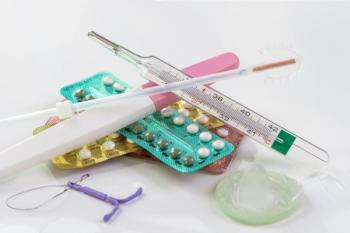
Elizabeth Ruzzo, PhD, discusses the findings of a report published by the UNFPA, which found women were abandoning effective methods of contraception due to misinformation.

Helen C. Wang, MD, shares key takeaways from the session she co-presented at PAS 2022.
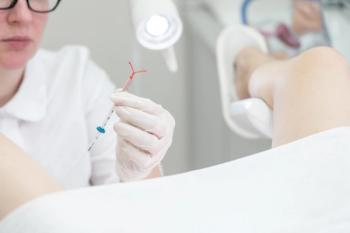
TikTok user @midwifemama sparked a conversation about IUD insertion.

A cohort study in JAMA Pediatrics indicates that policies that increase access to immediate postpartum long-acting reversible contraception (LARC) improve birth outcomes.
In this episode of Pap Talk, Gloria Bachmann, MD, MSc, breaks down what it means to be a health care provider for incarcerated individuals, and explores the specific challenges women and their providers face during and after incarceration. Joined by sexual health expert Michael Krychman, MD, Bachmann also discusses trauma-informed care and how providers can get informed.
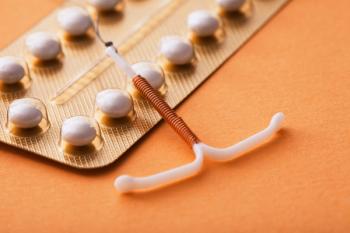
Contraceptive effectiveness is determined by several factors, including drug or device efficacy, individual fecundability, coital frequency, and user adherence and continuation.
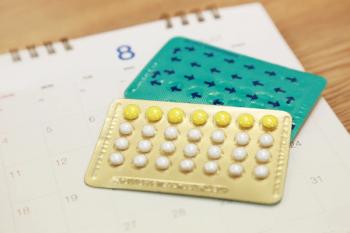
While the use of combined oral contraceptives (COCs) among patients with rheumatoid and autoimmune disorders have focused on safety, a narrative review in the Journal of Obstetrics and Gynaecology Research highlighted the efficacy and benefits of these contraceptives in females with rheumatoid arthritis (RA).
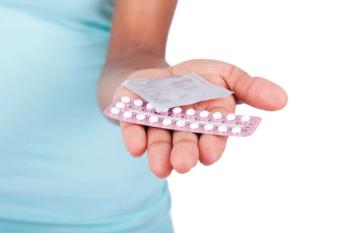
Combined oral contraceptives were found to be moderately more efficacious than placebo for treating overall premenstrual symptomatology in women with premenstrual syndrome (PMS) or premenstrual dysphoric disorder (PMDD).

Julie Harper, MD, of the Dermatology and Skin Care Center of Birmingham, Alabama explained the use, side effects, and risks of spironolactone and oral contraceptives in a presentation at the current Maui Derm for Dermatologists meeting in Maui, Hawaii.

Agile Therapeutics, Inc. recently announced a new alliance with Afaxys Pharma, LLC to promote levonorgestrel and ethinyl estradiol (Twirla) transdermal system.

Pooled estimates for chlamydia and/or gonorrhea were also null, but LARC users were significantly more likely to contract trichomoniasis infection compared to oral contraceptive users.

Half of prisons and over 80% of jails in the United States allowed postpartum permanent contraception, according to a study in the journal Contraception.

The findings support previous research demonstrating that increased access to emergency contraception does not compromise use of other more effective methods or lead to an increase in reported levels of unprotected sexual intercourse, according to Hawkins.

Often based on racial/ethnic, socioeconomic, and age-based assumptions

A new study found that reproductive history indicators were not directly linked to cognitive measures of Alzheimer’s disease (AD) in midlife women.

Patients in California were able to receive a contraceptive prescription during a visit with a pharmacist.

Professionals who provide contraception counseling need sufficient training and resources to offer comprehensive information about adverse reactions of intrauterine contraception, according to 2 web-based discussion boards about sexual and reproductive health.

A recent cohort study found an increase in unplanned pregnancies during the pandemic, as well as decreased access to contraception during this time.
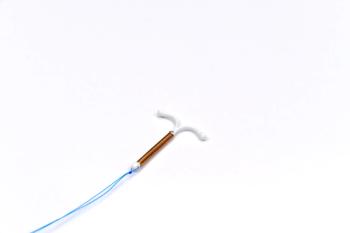
For the analysis as a whole, “The more localized the copper on an IUD frame and the ability of the frame to conform to the uterine cavity, the more favorable were outcomes at one year,” wrote the authors.

One year after the close of the Increasing Access to Contraception (IAC) Learning Community, participants had sustained their efforts in support of at least 1 goal: to improve women’s access to the full range of contraceptive options.
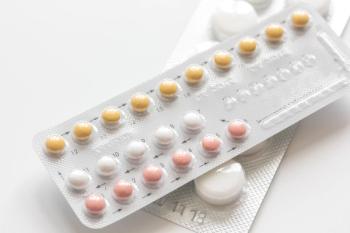
A pair of studies provide insight into the increased risk of dysglycemia among women with PCOS and the potential influence of combined oral contraceptive pills on this risk in a population-based cohort.

Women with mental illness who use contraception may have comparable or lower rates of mood symptoms with hormonal contraceptives than those who use other types of contraception, or no contraception at all.

Remote delivery of the SpeakOut intervention failed to increase communication, knowledge, and use of contraception among teens and their peers, according to a recently published study.
Advertisement
Advertisement
Trending on Contemporary OB/GYN
1
Minipad-based HPV testing shows promise for cervical cancer screening
2
Study data highlight trade-offs of testing for pregnancy too soon
3
Kevin Ault, MD, on vaccines & autism, local government, HPV vaccine advocacy
4
Fionnuala McAuliffe, MD, highlights importance of timely breastfeeding discussions with patients
5