

Victoria Wang, MD, discusses updated ASCCP recommendations for post-treatment monitoring of high-grade dysplasia and the importance of identifying high-risk patients early.
Victoria Wang, MD, discusses updated ASCCP recommendations for post-treatment monitoring of high-grade dysplasia and the importance of identifying high-risk patients early.
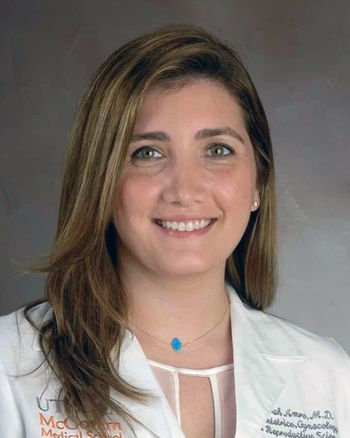
Farah Amro, MD, shares her research at the 2025 ACOG ACSM on leaving the placenta in situ in select patients with placenta accreta spectrum.

Laurence Shields, MD, shares details from his latest study on hemorrhage control devices for postpartum hemorrhage at the 2025 ACOG ACSM.


Postpartum depression often goes undiagnosed because of a lack of screening and stigma—learn how early detection, open conversations, and new treatment options can improve outcomes for mothers.

Research highlights buprenorphine’s effectiveness and safety in improving outcomes for pregnant patients with opioid use disorder, urging updates to medical guidelines.

Devon Ramaeker, MD, dives into the expansion of prenatal genetic testing, improvements in early diagnosis of anomalies, and patient education.

A new survey of over 1000 US women highlights widespread misconceptions about perimenopause, hormone therapy, and the importance of lifestyle changes during the menopause transition.

According to Joy Windley, CLC, delayed follow-ups, lack of accessible resources, and limited support systems are leaving postpartum women vulnerable to serious health and emotional challenges.

The BRITE-MOM study at UCSF uses wearable ECGs to detect arrhythmias in pregnant women, aiming to improve early diagnosis and maternal cardiac outcomes.

A new survey highlights major gaps in fertility knowledge, emphasizing the importance of anti-müllerian hormone testing, insurance coverage awareness, and early proactive care.
Leeya Pinder, MD, MPH, highlights a national conference to spotlight the role of human papillomavirus in cancer, emphasizing vaccination, screening innovations, and collaborative efforts to eliminate cervical cancer.

A phase 3 analysis shows that estetrol with drospirenone significantly reduces menstrual pain, mood swings, and other menstrual symptoms, offering clear benefits for both new and switching contraceptive users.
Panelists discuss how environmental modifications based on patient preferences are crucial during intrauterine device (IUD) placement, including verbal comfort, adjusted lighting, distractions, and heating pads. They emphasize that physician rapport significantly impacts pain perception, acknowledging that postprocedure discomfort can last for days. They also ensure that patients receive comprehensive management guidelines and contact information for follow-up support.

A large-scale study uncovers significantly higher uterine fibroid diagnosis rates among Black, Hispanic, and Asian women compared to White women, with notable differences across Asian subgroups.

A global study uncovers the widespread stigma, emotional toll, and workplace challenges women face during menopause, highlighting the urgent need for awareness, support, and personalized care.

Discover key strategies OB-GYNs can use to protect pregnant women from severe COVID-19 risks and ensure healthier maternal outcomes.
Panelists discuss how physicians consistently underestimate intrauterine device (IUD) placement pain compared to patients’ reported experiences. They emphasize that addressing this disparity requires physician humility, community education initiatives, and adherence to standardized guidelines such as the CDC’s updated 2024 pain management recommendations.
New research reveals that both COVID-19 infection and broader pandemic-related stressors significantly impact pregnancy outcomes, including increased rates of preterm birth, low birth weight, and neonatal intensive care unit admissions.

Small dietary changes such as switching to whole grains and choosing healthier drinks can support fetal brain development and set the stage for lifelong health, according to Elinor L. Sullivan, PhD, and Elizabeth K. Wood, PhD.

Discover how in vitro fertilization, egg freezing, and fertility coaching support women with endometriosis, as patient April Christina shares her journey and expert Connie Stark, RNC, PNC, provides essential guidance.

New research from Elinor L. Sullivan, PhD, and Elizabeth K. Wood, PhD, suggests that a mother's diet in the third trimester, particularly its glycemic index, plays a key role in infant mental health at 6 months, highlighting the importance of prenatal nutrition.
Discover how fertility coaching provides personalized support, expert resources, and emotional guidance to help women with endometriosis make informed decisions about their reproductive health.
A new study from Elinor L. Sullivan, PhD, and Elizabeth K. Wood, PhD, highlights how the glycemic quality of a mother’s diet, particularly in the third trimester, may influence an infant’s risk for future mental health concerns.
Diagnosed with endometriosis after years of debilitating symptoms, April Christina shares her experience with treatment, multidisciplinary care, and the emotional toll of infertility.
Panelists discuss how developing an effective pain management plan for intrauterine device (IUD) insertion requires patient cooperation, thorough medical history review, comprehensive education about procedures and tools, consideration of individualized needs, planning for interventions like sedation or antianxiety medication (which may not always be available), and implementation of trauma-informed care principles to ensure true informed consent and patient autonomy.

Giovanni Traverso, PhD, reveals the benefits of an innovative small-needle contraceptive implant that enhances accessibility, minimizes discomfort, and offers a versatile platform for long-acting drug delivery.

Ryan Haumschild, PharmD, MS, MBA, CPEL, explains the impact recently FDA-approved gepotidacin will have on uncomplicated UTIs and what this means in terms of antibiotic stewardship.
Panelists discuss how physicians should empower and educate patients about intrauterine devices (IUDs) by addressing concerns directly rather than downplaying them, acknowledging pain as a legitimate issue while presenting all available options, and recognizing that IUDs are not appropriate for everyone. No patient should feel pressured to choose this method.

Discover how historical biases in chronic pain research have led to treatment disparities between men and women and how new findings are paving the way for more effective management strategies, as discussed by Tuan Trang, PhD.