

New data show umbilical cord arterial pH under 7.05 at birth is associated with a higher risk of cerebral palsy, epilepsy, and death.
New data show umbilical cord arterial pH under 7.05 at birth is associated with a higher risk of cerebral palsy, epilepsy, and death.

A study found universal first-trimester cytomegalovirus screening could reduce poor pregnancy outcomes and save health care costs.

New research shows oral HRT increases cardiovascular risks in women with type 2 diabetes, while transdermal HRT appears to be safer.

New research suggests women with a history of cervical cancer face elevated anal cancer risk, highlighting the need for expanded screening guidelines.

Recent work presented at the 2025 annual meeting of American Society of Bone & Mineral Research found that romosozumab significantly outperformed teriparatide and denosumab in improving hip and spine bone strength.

A study found 16S nanopore sequencing offers high accuracy in identifying intraamniotic infection, a major contributor to preterm delivery.
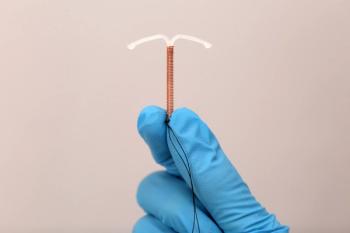
Study finds immediate postpartum IUD placement increases long-term use but raises expulsion risk compared with delayed insertion.

A study found that women exposed to computed tomography imaging before conception faced increased odds of pregnancy loss and congenital anomalies.

Review some of the top stories from the Contemporary OB/GYN website over the past week and catch up on anything you may have missed.

A study found women with Medicaid insurance are more than twice as likely to experience delays in starting cervical cancer treatment.

New data reveal that more than 70% of Gen Z women report age-related fertility concerns, with experts urging education, proactive planning, and supportive language to reduce panic.

A recent study found variations in menstrual product use by race, age, socioeconomic status, and menstrual factors.

Women with a history of cervical cancer face nearly double the risk of anal cancer, highlighting the need for tailored screening guidelines.

Find out the top 5 latest updates and headlines in folic acid research in honor of National Folic Acid Awareness Week (September 8-14, 2025).

A trial shows all surgical approaches for vaginal vault prolapse enhance body image and sexual health in women.

A study found that women with a nutrition major in college and access to folic acid information were more likely to plan folic acid supplementation prior to pregnancy.
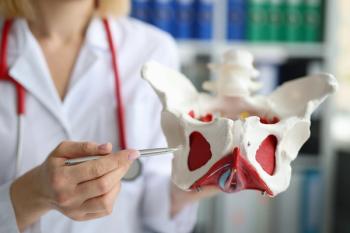
A study found that hysteropexy patients faced a greater long-term risk of surgical retreatment compared with hysterectomy.

Jesus Gonzalez Bosquet, MD, PhD, discusses how machine learning could improve early ovarian cancer diagnosis by identifying methylated DNA in blood.

A study found continuous glucose monitoring improves glycemic control vs self-monitoring in diabetes during pregnancy.

The updated guidelines emphasize shared decision-making, early counseling, and pregnancy heart teams to improve outcomes.

A national poll finds most women underestimate diet’s role in reducing menopause symptoms, despite evidence for plant-based diets with soy.

A study found women with preeclampsia face a 1.5-fold increased risk of cardiovascular disease, highlighting the need for early monitoring.

A study found that women receiving hysterectomy, especially with bilateral oophorectomy, face a significant increase in stroke risk.

Uma Mahadevan, MD, explains updated international recommendations for inflammatory bowel disease in pregnancy.

A new study finds less than 16% of US counties offer vaginal birth after cesarean services, highlighting regional disparities.
Review some of the top stories from the Contemporary OB/GYN website over the past week and catch up on anything you may have missed.

A new study finds extreme pregnancy nausea often leads to emotional distress and highlights a need for better care.

The 2025 amendment updates diagnostic, treatment, and prevention strategies for recurrent urinary tract infections in women.

The USPSTF cites a lack of strong data to support routine screening or supplementation for iron deficiency in asymptomatic pregnant individuals.

A new study reveals that hormonal contraceptives not only regulate reproductive health but also influence emotional reactivity.