

The FDA-cleared and CLIA-waived cobas liat sexually transmitted infection multiplex assay panels offer rapid, point-of-care testing for chlamydia, gonorrhea, and mycoplasma genitalium.
The FDA-cleared and CLIA-waived cobas liat sexually transmitted infection multiplex assay panels offer rapid, point-of-care testing for chlamydia, gonorrhea, and mycoplasma genitalium.

Timely diagnosis of gestational diabetes is crucial for optimal maternal and fetal health, but a recent study highlights demographic disparities in screening delays and the need for further research on potential health impacts.

A new study links first-trimester hemorrhage and anemia to a higher placenta accreta spectrum risk, emphasizing early screening and non-traditional risk factors.

Learn how complex contraceptive counseling helps individuals with medical conditions such as heart disease, lupus, and breast cancer find safe, effective birth control options tailored to their unique needs.

Daniel L. Kuhr, MD, maternal fetal medicine fellow at Mount Sinai, discusses the role of neighborhood-level indices in predicting spontaneous preterm birth risk and why individual patient characteristics remain the key factor.

A new randomized control trial reveals that barbed sutures significantly reduce blood loss during hysterotomy, offering valuable insights for improving clinical outcomes in obstetric surgery.

Researchers have identified higher concentrations of microplastics and nanoplastics in the placentae of infants born prematurely compared to those born at term, a new study finds.

A new study explores the potential link between antiretroviral therapy, specifically integrase inhibitors, and fetal biometric measurements, shedding light on possible pregnancy complications.

Artificial intelligence-powered ultrasound analysis is enhancing the early detection of congenital heart defects, improving diagnostic accuracy, physician confidence, and neonatal outcomes.

A new study published in Menopause suggests that white blood cell count could serve as a key predictor of COVID-19 symptom severity, highlighting the role of inflammation in health outcomes.

The Mothers and Newborns affected by Opioids - Obstetric initiative significantly increased screening, treatment access, and naloxone counseling for pregnant patients with opioid use disorder, enhancing care and reducing racial disparities.

A recent study found insufficient evidence that oral furosemide reduces the risk of de novo postpartum hypertension, highlighting the need for close monitoring in the first 2 weeks after birth.

A study highlights chronic villitis as a specific placental injury associated with COVID-19, raising concerns about pregnancy complications such as preeclampsia and stillbirth.

Dr. Ulla-Britt Wennerholm explores the risks and benefits of induction for prolonged pregnancies, highlighting new research on optimal gestational age and outpatient induction trials.
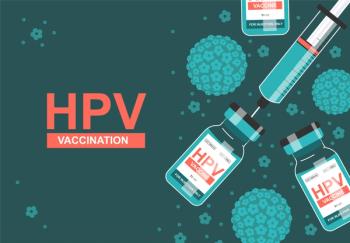
Vvax001, a new HPV16 vaccine, offers a potential alternative to surgery for treating precancerous cervical lesions, with promising trial results.
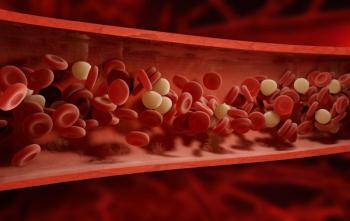
A recent study highlights lasting platelet hyperreactivity in women with gestational diabetes mellitus, suggesting it could serve as a therapeutic target to mitigate long-term complications.
Discover how Sweden's national guidelines and early induction practices are improving outcomes for prolonged pregnancies, reducing stillbirths, and shaping global maternity care.

Review some of the top stories from the Contemporary OB/GYN website over the last week, and catch up on anything you may have missed.

Discover updated strategies for treating leukemia and lymphomas during pregnancy, emphasizing delayed delivery, chemotherapy safety, and multidisciplinary care for optimal maternal and fetal health.

A study found that 2 weeks of maternal bed rest significantly increases fetal weight and growth metrics in small for gestational age fetuses.

A study found that offering personalized management at 41 weeks of pregnancy significantly reduces adverse perinatal and neonatal outcomes.

A French study reveals that reduced episiotomy rates since a 2005 policy reform did not lead to significant increases in obstetric anal sphincter injuries, supporting safer childbirth practices.

Discover how pre-implantation genetic diagnosis (PGD) helps predict and prevent miscarriages, improve IVF outcomes, and ensure healthier pregnancies.

A recent study found that a single dose of intravenous iron in the third trimester is superior to oral iron in reducing anemia rates in pregnant women, ensuring better outcomes for mother and baby.

The new panels, leveraging rapid polymerase chain reaction technology, allow point of care sexually transmitted infection diagnosis in 20 minutes, enhancing targeted treatment and reducing follow-up losses.
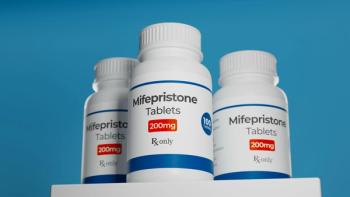
A recent study found a rise in national support for over-the-counter and advance provision access to medication abortion, highlighting increased interest and demand for privacy and convenience.
A recent study reveals shifts in contraceptive preferences, highlighting increased use of natural family planning, declining reliance on hormonal methods, and the need for better access to reliable information.

Smoking cessation during pregnancy not only reduces pregnancy complications but also lowers the risk of relapse and new smoking initiation in the first postpartum year, according to a recent study.

A recent study highlights gaps in cervical cancer screening compliance, with fewer than 50% of human papillomavirus-positive, negative for intraepithelial lesion or malignancy patients receiving recommended follow-up testing within the guideline time frame.

A new study reveals that high radon exposure, especially when combined with smoking or air pollution, significantly raises the risk of gestational diabetes, highlighting the impact of environmental factors on maternal health.