

For girls with additional body weight, using Tanner staging to determine pubertal development may require more care.
For girls with additional body weight, using Tanner staging to determine pubertal development may require more care.

Here's what's coming to Contemporary OB/GYN this week.

Racial and ethnic inequities persist in all 50 states.
Attention needs to be paid to the psychosocial needs of patients, especially those with poor health-related quality of life, who have little support, or are single mothers.

From 1976 to 2018, data show the prevalence of obesity in the United States increased from 6.2% to 32.7%.
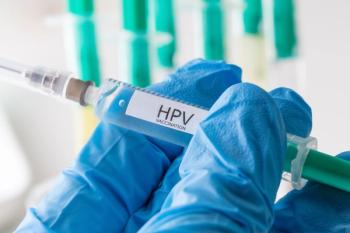
Surviving a bout of cancer early in life puts children and teenagers at risk of cancers linked to human papillomavirus (HPV). A phase 2 trial examined how effective a 3-dose series was in providing protection.

Top tips and HIPAA implications.

Being informed and educated may help patients with breast cancer make a treatment decision and feel less afraid.

Discussions regarding health equity and access to care have long been implicated in breast cancer. Here, key opinion leaders discuss the latest progress in clinical trial access, digital therapeutics, and other efforts that aim to ameliorate these care gaps.
Here's what's coming up this week on Contemporary OB/GYN.

The trial is the first in the world offering this City of Hope-developed investigational therapy to patients with the hope of one day improving survival for people with triple-negative breast cancer.

"We're moving from an era where it was all based on judgment, and experience, to an era where treatments will be based on firm evidence of the structural failures present in each patient," says Contemporary OB/GYN Advisory Board member John O. L. DeLancey, MD.
Nearly a third of hospital personnel had still not been vaccinated against COVID-19 by mid-September.

It was a busy week for the Contemporary OB/GYN team.

Less than a quarter of physicians could accurately estimate out-of-pocket drug costs.
State legislation that allows adolescents to choose to receive the HPV vaccine without parental interference would elevate immunization rates, according to a new study.

The "Cures 2.0" bill, if signed into law, would expand medical research, aid development of new therapies and expand telehealth.

The AMA continues its fight against COVID-19 disinformation generated by physicians with a new policy.
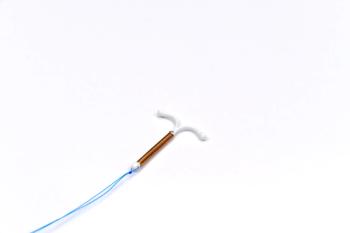
For the analysis as a whole, “The more localized the copper on an IUD frame and the ability of the frame to conform to the uterine cavity, the more favorable were outcomes at one year,” wrote the authors.

At AAGL’s 50th Global Congress on MIGS, Peter L. Rosenblatt, MD, and Cheryl B. Iglesia, MD, FACOG, debated the use of native tissue repair and transvaginal mesh in pelvic reconstructive surgery.
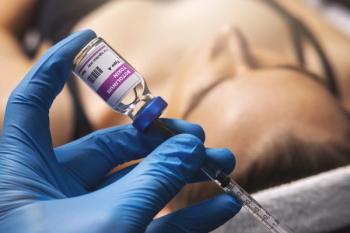
“Studies like ours may open a new venue of treatment for women with chronic pelvic pain, especially when associated with pelvic floor muscle spasm,” said principal investigator Barbara Karp, MD.

Women exposed to pesticides containing trans-nonachlor were 3.38 times more likely to develop endometriosis (P <0.0001), and for PCB 114 the increased risk was 1.83 (P =0.009).

Mauricio S. Abrão, MD, PhD, announced the American Association of Gynecologic Laparoscopists is introducing new classifications for endometriosis.

“My hysteroscope is my stethoscope. I use it in every opportunity when the story doesn’t match,” Linda D. Bradley, MD, said during her presentation at AAGL’s 50th Global Congress on MIGS, “Office Hysteroscopy: Seeing is Believing. A Manifesto for Change.”

“If you want to provide comprehensive care, it is truly impossible as 1 person,” began Jean Uy-Kroh, MD, FACOG, director, Chronic Pelvic Pain Program at the Cleveland Clinic in Cleveland, Ohio, at AAGL’s 50th Global Congress on MIGS in Austin, Texas.

Hear from Mauricio S. Abrão, MD, PhD, 2021 scientific program chair and upcoming president of AAGL, and Executive Director Linda Michels, discuss key topics and critical updates at AAGL 2021 you don’t want to miss.

The American Association of Gynecologic Laparoscopists (AAGL) 50th Global Congress on minimally invasive gynecologic surgery (MIGS) begins today and continues through Wednesday, November 17 in Austin, Texas. Follow along for the latest coverage.
The week in review from Contemporary OB/GYN®
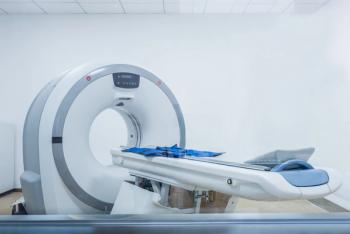
A study has once again validated ultrasound-guided high-intensity focused ultrasound (USgHIFU) as an effective technique to devascularize uterine fibroids.