First-time visits up sharply, study finds.

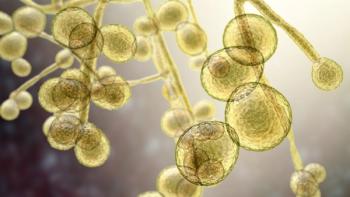
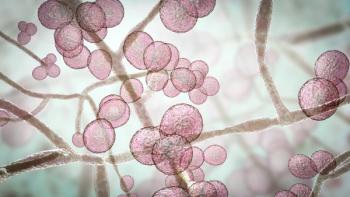
Research in the journal Cell Reports concludes that the discovery of a hormone-sensing pathway in Candida albicans, which enables the fungus to adapt to estrogen, could help explain gender biases linked to fungal infections and might provide an alternative approach to improving women's health.

Women with non-albicans Candida (NAC) vulvovaginal candidiasis (VVC) were nearly twice as likely to have multiple physician visits for recurring infections compared to women who had C. albicans (CA) VVC, according to a retrospective chart review in the Journal of Women’s Health.

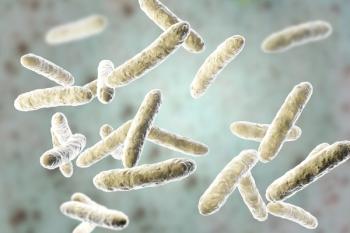
An oral probiotic formula for the secondary prevention of vulvovaginal infections in pregnant women neither colonized in the vagina nor reduced the rate of repeated vulvovaginal infection, according to a study in the American Journal of Gynecology & Obstetrics.

A look at what's coming to Contemporary OB/GYN® this week.

Eating disorders carry many risks. An investigation looks into whether they can increase the risk of certain neurodevelopmental conditions in the children of mothers with a history of eating disorders.
Agile Therapeutics, Inc. recently announced a new alliance with Afaxys Pharma, LLC to promote levonorgestrel and ethinyl estradiol (Twirla) transdermal system.

New trial results showed statistically significant improvements in overall survival and progression-free survival.

Here's what you missed this week from Contemporary OB/GYN®.

Study results show that fetal cognitive development in the assessed areas was age-appropriate and there was no indication of infection.

Scientific advances have led to more extremely preterm infants surviving delivery. What are the outcomes for these infants?

SMFM supports the new NIH COVID-19 Treatment guidelines.

New study results suggest that severe depression and sexual dysfunction, in particular, can affect a woman's attention, language, orientation, recall, registration, and visuospatial skills.

There are a number of effective treatments, but a recent study sought to investigate how well oral contraceptives in particular could help reduce symptoms—while preserving sexual quality of life—in women with particularly severe forms of endometriosis.

These mothers are approximately 17% less likely to die from cardiovascular disease, 14% less likely to develop coronary heart disease, and 12% less likely to suffer a stroke, the data show.

A phase 2, multicenter study has found relugolix (Myfembree; Myovant Sciences) significantly decreases menstrual blood loss in women with uterine leiomyomas and is mostly well tolerated. Relugolix is a small molecule gonadotropin-releasing hormone (GnRH) receptor antagonist.

A clinical study has confirmed that the pathophysiology of recurrent vulvovaginal candidiasis (RVVC) relies primarily on Candida albicans (C. albicans)-specific attributes like hyphal morphogenesis, biofilm formation and pathogenesis that differentiate it from other prominent non-albicans C. (NAC) species.

Autophagy is a controlled lysosomal degradation pathway that protects cells and allows to overcome cell death.

The authors noted that both primary options for treatment are currently being debated as to their efficacy and safety.

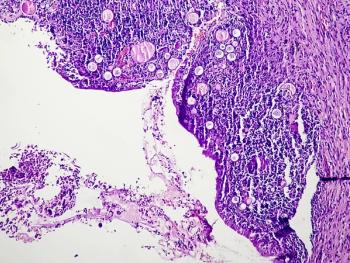
A case report of infiltrative endometriosis without endometrioma underscores the need to consider endometriosis in the differential for patients with pelvic masses and to recognize possible features that might indicate the diagnosis.

Among women with vulvovaginal candidiasis (VVC) or recurrent VVC (RVVC), the 3 most common signs and symptoms are itching (91.2%), burning (68.3%), and redness (58.1%), according to an online patient survey in BMC Womens Health.

Because the mechanism of action of medical-grade honey (MGH) is based on enhancing wound healing and exerting strong broad-spectrum antimicrobial activity, MGH may also help to treat recurrent vulvovaginal candidiasis (RVVC), according to a review in the Journal of Fungi.

Here's what's coming to Contemporary OB/GYN® this week.

A literature search revealed there is no international agreement on how to characterize or classify endometriosis.

Employee mandate would have impacted 84 million workers. Health care mandate affects every facility that receives federal funding.

Here's what you missed this week from Contemporary OB/GYN®

Because many groups have a stake in newborn screening, “Who will take responsibility for integrating varying perspectives to modernize newborn screening?” Bailey pondered. “Funding and auspice will be critical decisions.”

Pooled estimates for chlamydia and/or gonorrhea were also null, but LARC users were significantly more likely to contract trichomoniasis infection compared to oral contraceptive users.

Half of prisons and over 80% of jails in the United States allowed postpartum permanent contraception, according to a study in the journal Contraception.