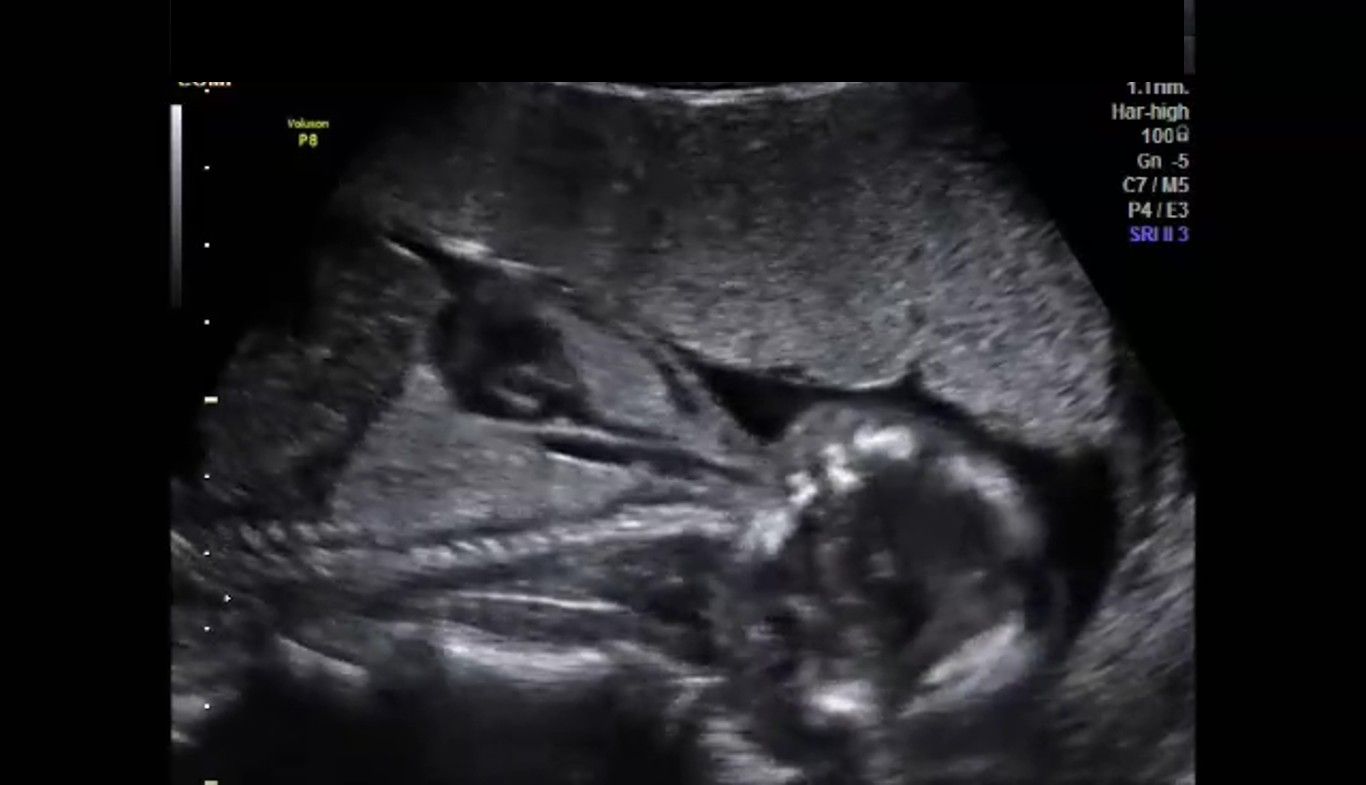



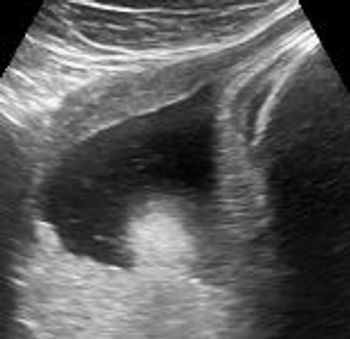
QUIZ: These images show something isn't quite right in a woman who is 34 weeks pregnant.
QUIZ: These images show something isn't quite right in a woman who is 34 weeks pregnant.

This blog discusses how OB/GYNs need not only to understand the science behind genetic screening but also to counsel patients properly about the results.
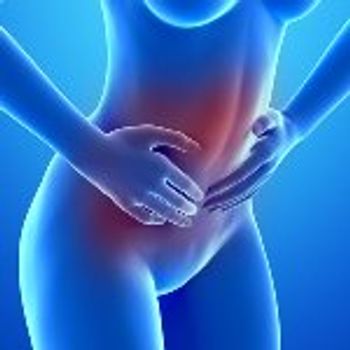
Pregnancy is possible for women with inflammatory bowel disease, but collaboration is needed between gastroenterologists and obstetricians.

New research looks at the possibility that women who were themselves born prematurely are at greater risk of delivering their children prematurely. Also research on how much women worry about the genetic risks of their breast cancer and a new algorithm for stratifying breast cancer prevention.

A meta-analysis sought to determine which oral painkillers were most effective after a c-section, but the findings were disappointing.
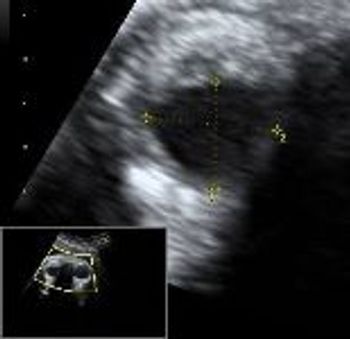
QUIZ: These images of the fetal eyes reveal a clue about the mother's health.
Cell-free fetal DNA screening tests for trisomy 21 are more accurate than standard screening with nuchal translucency even in low-risk women.
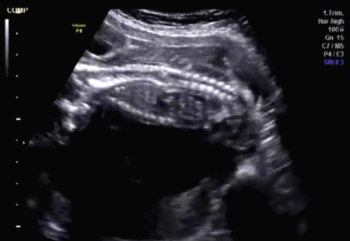
These images from a routine ultrasound examination of a 20-week fetus reveal a rare abnormality of the fetal spine.
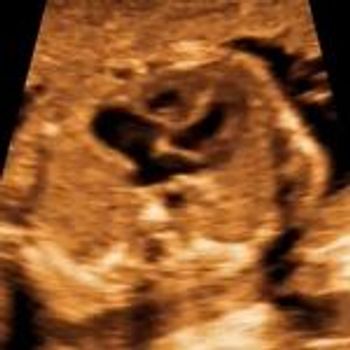
QUIZ: These images are of the fetal heart reveal an abnormality. Can you identify it?

Miscarriage unfortunately is a common part of OB/GYN, but do you ever wonder what your patients are feeling? This blog addresses one patient's experience.
A high/low agreement usually is done to prevent a “runaway” jury from coming back with an unreasonably high award, but ensures the plaintiff of something because they are agreeing to a lower amount than what the jury might have awarded.

Pregnant and postpartum women aren't getting enough omega-3 fatty acids, putting the development of their babies' nervous and immune systems at risk.
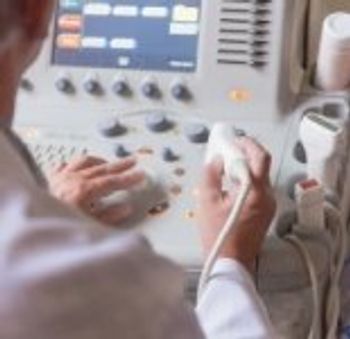
OB/GYNs should begin with ultrasound to examine women presenting with pelvic symptoms, urges a physician group.
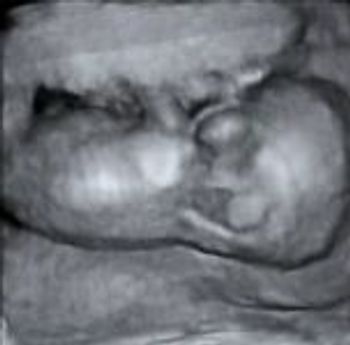
QUIZ: These images are of the jugular area in a first-trimester fetus. What do they tell you?
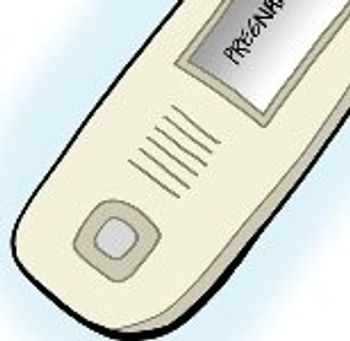
Will this be the home pregnancy test of the future?

There are several techniques new mothers can use to express breast milk more comfortably while yielding higher output, a meta-analysis finds.
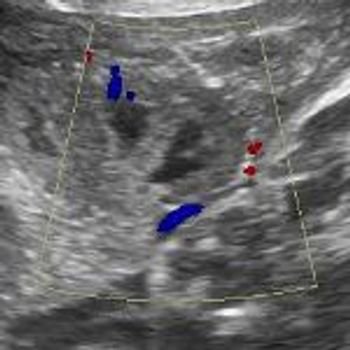
QUIZ: These images show some changes in the placenta of a 34-week pregnancy. Are they anything to worry about?
Assisted reproductive technology is often thought to account for the risk of low birth weight and preterm birth, but new research finds another factor plays a role.
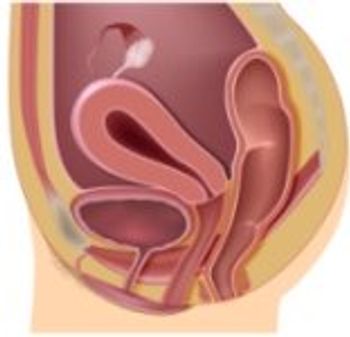
Pelvic floor muscle training, or Kegel exercises, did not improve pelvic organ prolapse in a group of women after a vaginal delivery, research shows.
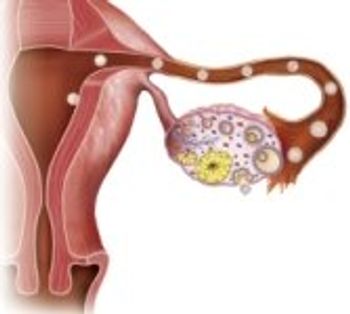
The GnRH agonist goserelin, when given during chemotherapy, may protect against ovarian failure and early menopause in women with breast cancer.
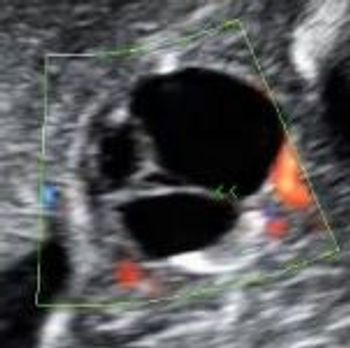
QUIZ: These images reveal a specific structure of the fetal eye. Can you identify it?

In developing countries, cleansing the cord of newborns after birth with a low-cost antiseptic can help reduce infant death rates.
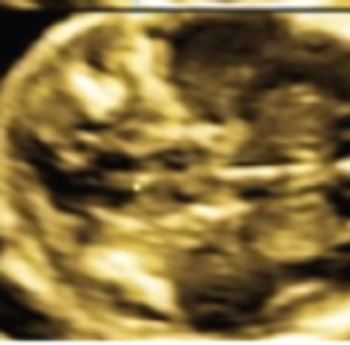
These images of a fetal brain from a routine ultrasound examination at 22 weeks' gestation revealed a rare congenital brain abnormality.
A new report by the Society for Assisted Reproductive Technology has shown a shift in women's preferences for the number of embryos transferred.
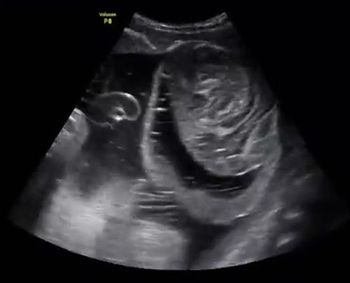
QUIZ: These images reveal a defect in the fetal head. What do you see?