




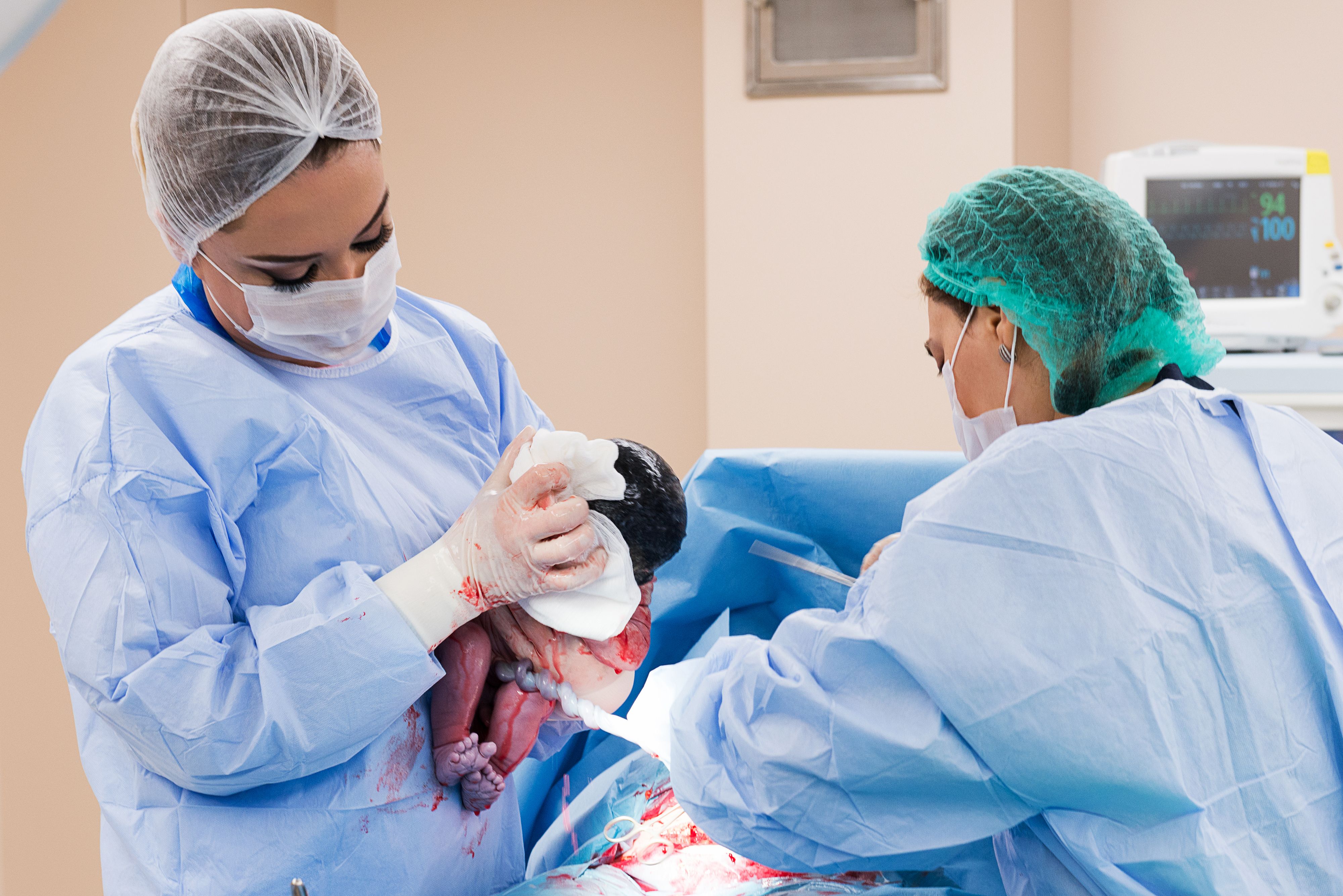


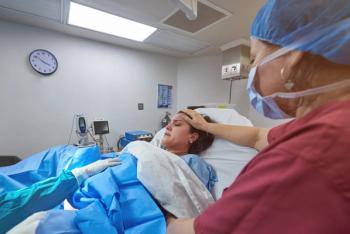
Allegations in this case include negligence in performing a McRoberts maneuver and unnecessary vacuum-assisted extraction.
Allegations in this case include negligence in performing a McRoberts maneuver and unnecessary vacuum-assisted extraction.
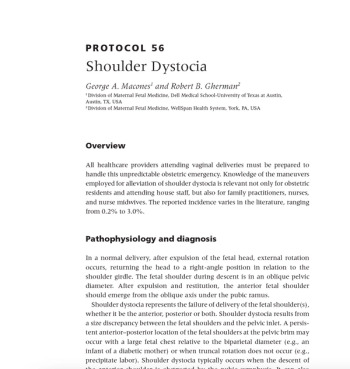
All healthcare providers attending vaginal deliveries must be prepared to handle this unpredictable obstetric emergency. Knowledge of the maneuvers employed for alleviation of shoulder dystocia is relevant not only for obstetric residents and attending house staff, but also for family practitioners, nurses, and nurse midwives. The reported incidence varies in the literature, ranging from 0.2% to 3.0%.

The results of this retrospective study reflect experience with both vaginal and cesarean deliveries early in the pandemic, in comparison with similar periods in 2018 and 2019.

Pregnant women with autoimmune-related interstitial lung disease (ILD) can have safe pregnancy outcomes if closely monitored by a multidisciplinary team of physicians.

An analysis of CDC data presented at American Heart Association's Scientific Sessions 2020 suggests rates of high blood pressure complications during pregnancy nearly doubled during a period lasting from 2008-2017.

This case presents a unique dynamic involving certified nurse midwives; following protocols enhanced defensibility.
November is Prematurity Awareness Month. Here are a few quick facts.

On Friday, Oct. 30, Elizabeth A. Howell, MD, MPP, led a presentation on the intertwined racial and ethnic disparities in maternal and infant health that exist for women and babies of color.
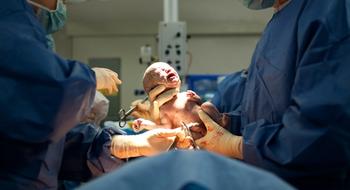
Principal investigator Johanna Quist-Nelson, MD, was inspired to complete the study during her training after observing how difficult it was for patients who experienced wound infections after cesarean.

New research suggests that postpartum depression may persist for 3 years following birth.
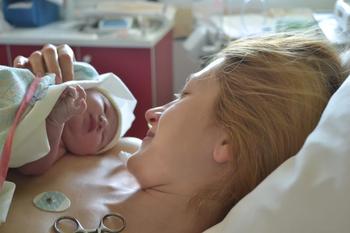
Is 39 the new 41 when it comes to weeks of gestation for induction of labor?
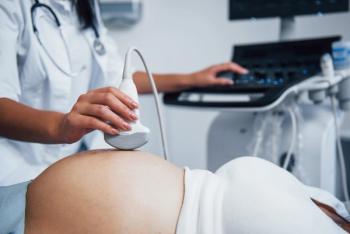
A baby’s gender is often detected via ultrasound around 20 weeks of pregnancy. What if there was a way to know sooner?

New research suggests that air pollutant particles and metals are reaching the placenta.

Over the past decade, efforts to reduce unnecessary antibiotic use in the neonatal intensive care unit (NICU) have increased. A new report delivered results of a comprehensive quality improvement run in a level 4 NICU with the goal of decreasing antibiotic use by 20%

Each year, approximately 24,000 babies are stillborn in the U.S, and as many as half of all pregnancies may end in miscarriage.

New research suggests that placental DNA may have potential as a biomarker for adverse pregnancy outcomes (APOs).
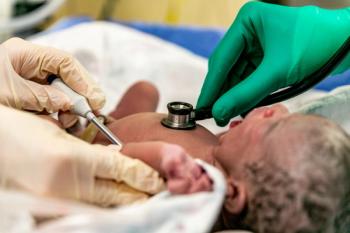
Although previous research has shown preterm (PTB) and post-term births to result in adverse neuropsychiatric outcomes in children little research had been done on the outcomes of at-term deliveries.
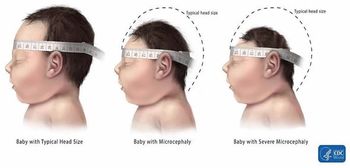
A new study in JAMA Pediatrics analyzed the number of microcephaly cases that resulted from congenital microcephaly and how it may be a larger cause than the 2016 Zika epidemic.

A new study published in JAMA Network Open investigated whether perinatal depression and/or anxiety impacted childhood development.

Dust mite allergens in breast milk may prevent food allergies, according to new research.

Exposure to cigarette smoke is a well-known risk factor for adverse obstetrical outcomes and new research suggests it may also cause weight gain and childhood obesity.

Although myomectomy may prolong the operative time and the postoperative hospital stay, there are numerous potential benefits including avoiding a follow-up operation to remove uterine fibroids.

As detailed in the September issue, the Society for Maternal-Fetal Medicine (SMFM) is highlighting one of these situations: the role of activity restriction in obstetric management.
Little evidence supports the routine use of activity restriction for preterm birth and other obstetric conditions, and some data indicate adverse impact on obstetric outcomes.

Pregnant patients learning to navigate the world of genetic health now have access to an app that helps to explain chromosomes, conditions that prenatal screening can identify, and available testing options such as non-invasive prenatal testing (NIPT).