A review and meta-analysis in JAMA Network Open revealed women exposed to marijuana in pregnancy were at significantly increased risk for adverse neonatal outcomes, including low birth weight, small for gestational age, and preterm delivery.

A review and meta-analysis in JAMA Network Open revealed women exposed to marijuana in pregnancy were at significantly increased risk for adverse neonatal outcomes, including low birth weight, small for gestational age, and preterm delivery.

An oral concurrent session at SMFM’s 42nd Annual Pregnancy Meeting highlighted an analysis of pregnancy outcomes after optimal prenatal opioid use disorder care.

While the use of combined oral contraceptives (COCs) among patients with rheumatoid and autoimmune disorders have focused on safety, a narrative review in the Journal of Obstetrics and Gynaecology Research highlighted the efficacy and benefits of these contraceptives in females with rheumatoid arthritis (RA).

An oral presentation at the Society for Maternal-Fetal Medicine’s (SMFM) 42nd Annual Pregnancy Meeting explored possible associations with marijuana use and nausea and vomiting in early pregnancy.

Combined oral contraceptives were found to be moderately more efficacious than placebo for treating overall premenstrual symptomatology in women with premenstrual syndrome (PMS) or premenstrual dysphoric disorder (PMDD).

A look at what's coming to Contemporary OB/GYN® this week.

A study in the International Journal of Gynecology & Obstetrics found that transperineal ultrasound (TPU) signs of pelvic floor muscle hypertonia are more prevalent in endometriosis patients with chronic constipation than in those without.

In this exclusive video interview, Michal Elovitz, MD, chief medical advisor at Mirvie, discusses the latest data from the RNA testing platform in predicting preterm birth at the SMFM 42nd Annual Pregnancy Meeting.

It was a busy week for the Contemporary OB/GYN® team.

At the Society for Maternal-Fetal Medicine’s 42nd Annual Meeting, a roundtable discussion explored ways to promote inclusivity and support transgender and gender-expansive individuals in the women’s health space.

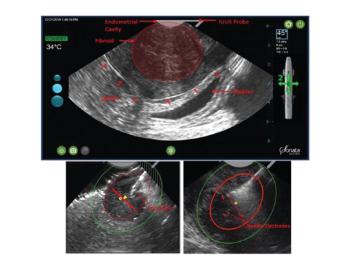
Understanding the technology behind a newer uterus-sparing option for the management of uterine fibroids.

Through its new Visiting Scientist Program and Digital Innovation Fellowship, Maven aims to improve its care model and continue improving prenatal health outcomes.

Protocol 5 - In this protocol, Norton reviews the pathophysiology of fetal aneuploidy and the wide range of tests for it. Included are perspectives on cell-free DNA testing, first-trimester combined screening, nuchal translucency (NT) sonography, and pregnancy-associated plasma protein A (PAPP-A) and human chorionic gonadotropin (hCG), as well as quad marker screening in the second trimester in appropriate cases, and combined first- and second-trimester screening.

American Heart Month serves as a reminder for health care providers to not only provide the best care possible to their patients but also prioritize their own health.

For more than 70 years, vaccination has been a public health strategy for disease mitigation. Even in populations often considered “vulnerable”—children and pregnant women—vaccination is strongly recommended and commonly embraced.

The campaign emphasizes the importance of annual cancer screenings with the Queen of Hip-Hop Soul

The research team found that levels of depression are at least 3 times higher than before the COVID-19 pandemic.

The drug is used to treat bacterial vaginosis and is a generic version of Bausch Health US LLC’s MetroGel-Vaginal.

Julie Harper, MD, of the Dermatology and Skin Care Center of Birmingham, Alabama explained the use, side effects, and risks of spironolactone and oral contraceptives in a presentation at the current Maui Derm for Dermatologists meeting in Maui, Hawaii.

A look at what's coming to Contemporary OB/GYN® this week.

The results of a new UCLA-led study show that the pandemic has exacerbated disparities in care, widening inequities.

It's been a busy week for the Contemporary OB/GYN® team. Here's a look at what you missed.

Women with severe menopausal symptoms are likely to experience significantly greater cognitive decline than their counterparts with mild menopausal symptoms, according to a cross-sectional study in the journal Menopause.

Payments are meant to assist providers who have been impacted by the COVID-19 pandemic.

Difficulties accessing virtual care and support remain a barrier to the best care for patients facing complex conditions.

For preeclampsia, multifetal gestation was the most common high-risk factor among pregnant patients who gave birth in the United States in 2019.

Americans want the technology available, but most prefer in-person visits.

These results suggest that maternal diet during pregnancy can significantly affect obesity risk in children.

The COVID-19 global pandemic has broad implications for obstetrical care and perinatal outcomes. As we approach the 2-year mark into an unprecedented international pandemic, this review presents the progress and opportunities for research related to COVID-19 and pregnancy.