




Contraception
Latest News
Advertisement
Latest Videos


CME Content





Advertisement
More News

A recent study reports that ring expulsions are infrequent and unrelated to body mass index or parity, with satisfaction rates remaining high among users.
New data from Kaiser Permanente suggest teenagers with autism were 31% less likely to make any ob/gyn visit, and were up to 3-fold more likely to be diagnosed with a gynecologic condition.

A recent study reveals that adolescents with autism and other developmental disabilities have fewer visits to obstetrician-gynecologists and lower hormonal contraceptive use compared to their typically developing peers, highlighting a need for improved reproductive health services.

Review some of the top stories from Contemporary OB/GYN's coverage of ACOG 2024, and catch up on anything you may have missed.

A symposium at ACOG 2024 focused on how to boost clinician confidence when it comes to contraception education for this patient population.

Leanne R. McCloskey, MD, and Weronika A. Armstrong, MD, xplore the multifaceted applications of misoprostol in obstetrics, covering protocols, safety, and the impact on birth equity from early pregnancy loss to labor induction at ACOG 2024.

A recent study revealed that mail-order pharmacy dispensing of mifepristone for medication abortion proves effective and satisfactory, highlighting a potential avenue for expanding access to reproductive healthcare.

As teenagers become sexually active, are they fully educated on contraception and pregnancy?
A recent study revealed a significant increase in intrauterine device usage among reproductive-aged women in South Carolina following the implementation of the Choose Well initiative.

Review some of the top stories from the Contemporary OB/GYN website over the last week, and catch up on anything you may have missed.

Mitchell Creinin, MD, sheds lights on the association between combined oral contraceptives and breast cancer risk, offering valuable insights for clinicians and patients alike.

A comprehensive investigation confirmed Ovaprene's non-hormonal design achieves consistent contraceptive efficacy, paving the way for further pivotal trials in pregnancy risk assessment.
After decades of disappointments, a new generation of male contraceptives is under development and expected to enable men to share the contraceptive burden with their female partners.

Unveiling the intricate relationship between combined oral contraceptive use and breast cancer risk, navigating through research insights and clinical implications for informed patient counseling.
Review some of the top stories from the Contemporary OB/GYN website over the last week, and catch up on anything you may have missed.
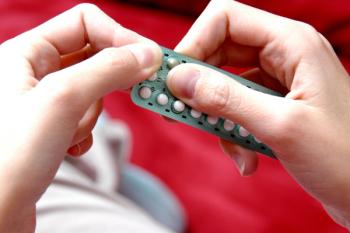
A comprehensive study delved into the interplay of polygenic and hereditary factors in venous thromboembolism risk among oral contraceptive users, shedding light on potential genetic markers for refined risk assessment and counseling.
Review some of the top stories from the Contemporary OB/GYN website over the last week, and catch up on anything you may have missed.

Discover how a web-based decision aid significantly enhances the quality of tubal sterilization decision-making, offering crucial insights for marginalized populations, as revealed in a recent study.

A recent study exposed disparities in contraceptive counseling and use among hypertensive individuals, suggesting a need for tailored contraceptive options, particularly within Black communities.

A recent study revealed Medicaid patients encounter significant obstacles to postpartum sterilization, shedding light on crucial health care access issues.

Online orders began this week for the first over the over-the-counter contraceptive, Opill (norgestrel; Perrigo).

A recent study delves into how serum estradiol decline preceding human chorionic gonadotropin administration affects in vitro fertilization outcomes, particularly among patients without oral contraceptive pretreatment, shedding light on the importance of monitoring during controlled ovarian hyperstimulation.

A randomized trial among young Kenya women showed the post-exposure prophylactic was insignificantly more effective in preventing chlamydia, gonorrhea and syphilis—largely due to inadherence.
Review some of the top stories from the Contemporary OB/GYN website over the last week, and catch up on anything you may have missed.

Discover effective counseling techniques and overcome barriers to empower adolescents in making informed decisions about contraception, fostering trust, confidentiality, and autonomy in reproductive health care.
Advertisement
Advertisement
Trending on Contemporary OB/GYN
1
Minipad-based HPV testing shows promise for cervical cancer screening
2
Kevin Ault, MD, on vaccines & autism, local government, HPV vaccine advocacy
3
Weekly review: Minipad HPV testing, ACOG statement, FAQs, and more
4
Study data highlight trade-offs of testing for pregnancy too soon
5