


This case report features an underappreciated clinical entity-angular pregnancy. What do you know about this rare obstetric complication?

This case report features an underappreciated clinical entity-angular pregnancy. What do you know about this rare obstetric complication?
“The c-section you do today impacts the future health of the woman you’re caring for.” So said Aaron B. Caughey, MD, of Oregon Health & Science University, Portland, in his lunch-and-learn “The Cesarean Epidemic: Etiologies, Outcomes and Potential Solutions” on Monday. What’s more, he pointed out, “the c-section you do today leads to the repeat … [which] leads to the repeat … [which] leads to the accreta in 8 years.” But Caughey did not place blame for the so-called epidemic with either doctors or patients.

New research shows when it’s cost-effective to use placental alpha-microglobulin-1 over pooling, nitrazine, and ferning for diagnosing premature rupture of membranes.
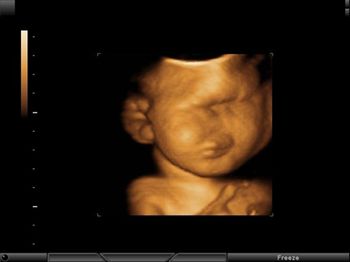
Challenge your diagnostic skills: Can you identify this anomaly of the fetal face and brain?
Skin closure after a cesarean delivery is quicker with the use of staples, but are patients satisfied with the results of this closure method?
New research presented at ACOG 2014 shows that inadequate weight gain in the second trimester is an independent risk factor for spontaneous preterm birth.
Proposed changes aim to reduce prematurity rates by relieving financial pressures that lead to choosing treatments more likely to result in multiple gestations.
Reports of women being criticized for “intense” workouts in late pregnancy are circulating the Web. Are these criticisms clinically warranted, or are the criticizers just bullies?
Placing a newborn on the mother’s abdomen or chest immediately after delivery and before the umbilical cord is clamped doesn’t affect placental transfusion volume.
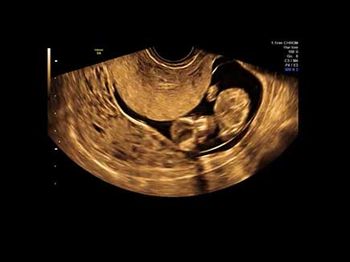
Challenge your diagnostic skills: Can you identify this anomaly?
New research shows that too much or too little maternal weight gain in pregnancy is associated with the child’s risk of being overweight or obese in early childhood.
A new meta-analysis has quantified the risk of preeclampsia and other adverse pregnancy outcomes in women with chronic hypertension.
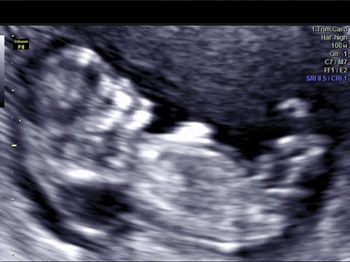
Challenge your diagnostic skills: Can you identify this well-known anomaly?
The safety of fertility drugs has been a concern to physicians and patients alike. A new study assessing fertility drugs and breast cancer risk has reassuring results.
Not losing any baby weight within 1 year after delivery increases a woman’s risk of diabetes and heart disease, new research shows.
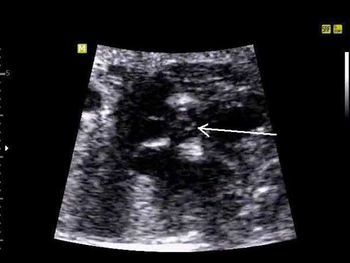
Challenge your diagnostic skills: Can you identify this cardiac defect?
The number of live births a woman has had may indicate her risk of heart disease, adding to evidence that body changes in pregnancy play a role in cardiovascular disease.
Patients undergoing IVF do better with strong social support, but many of these patients feel isolated and don’t share their fertility struggles. Can mindfulness help?
According to a recent study in The Lancet, a reduction in preterm births and childhood hospital visits for asthma are additional benefits to public smoking bans.
Antidepressant use in pregnancy increases the risk of preterm birth. However, untreated depression is serious, and the needs of the mother must come first.
Mammography screening for breast cancer saves lives: this should be the message that physicians spread to colleagues and patients, say leading experts.
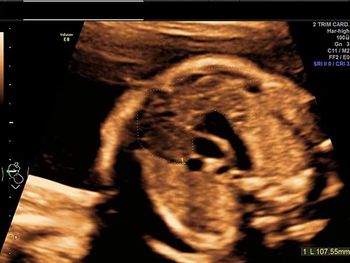
Challenge your diagnostic skills: Can you identify the highlighted structure?
Was there an unreasonable delay in making the diagnosis, and did that delay have an effect on the patient’s treatment and overall life expectancy?
A review of the latest agents and strategies for treating venous thromboembolic events (VTE) in both pregnant and nonpregnant women.
Miscarriage and stillbirth can occur in pregnant women with Haemophilus influenzae infection. Here, new data quantify the risk and reveal which bacteria type poses the most threat.