

Artificial intelligence-powered ultrasound analysis is enhancing the early detection of congenital heart defects, improving diagnostic accuracy, physician confidence, and neonatal outcomes.
Artificial intelligence-powered ultrasound analysis is enhancing the early detection of congenital heart defects, improving diagnostic accuracy, physician confidence, and neonatal outcomes.

Dr. Ulla-Britt Wennerholm explores the risks and benefits of induction for prolonged pregnancies, highlighting new research on optimal gestational age and outpatient induction trials.
Discover how Sweden's national guidelines and early induction practices are improving outcomes for prolonged pregnancies, reducing stillbirths, and shaping global maternity care.

Discover updated strategies for treating leukemia and lymphomas during pregnancy, emphasizing delayed delivery, chemotherapy safety, and multidisciplinary care for optimal maternal and fetal health.

Discover how pre-implantation genetic diagnosis (PGD) helps predict and prevent miscarriages, improve IVF outcomes, and ensure healthier pregnancies.

A recent study reveals shifts in contraceptive preferences, highlighting increased use of natural family planning, declining reliance on hormonal methods, and the need for better access to reliable information.

A new study reveals that high radon exposure, especially when combined with smoking or air pollution, significantly raises the risk of gestational diabetes, highlighting the impact of environmental factors on maternal health.

A new study revealed disparities in menopause symptoms and care access between rural and urban women, highlighting the need for improved health equity and provider training.
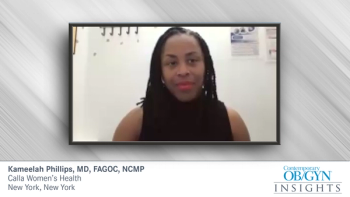
Kameelah Phillips, MD, FACOG, NCMP, discusses how health care providers (HCPs) can empower patients to advocate for their health during cervical cancer and sexually transmitted infection (STI) screenings by building trust, fostering open communication about sensitive topics, and striking a balance between sensitivity and thorough screening practices.

Discover how MedStar Health’s Safe Baby Safe Moms program is scaling its proven maternal care model to support diverse communities across the DC and Maryland region.
Discover how MedStar Health's innovative program is improving outcomes and reducing disparities for mothers and children through tailored care and groundbreaking partnerships.

Discover how the updated 2024 American Society for Colposcopy and Cervical Pathology guidelines integrate extended human papillomavirus genotyping and precision medicine to enhance cervical cancer screening and risk management.

Discover how FDA-approved self-collection and updated guidelines for cervical cancer screening are improving accessibility and empowering early prevention efforts.
Jeff Andrews, MD, FRCSC, discusses troubling trends in cervical cancer mortality and how self-collection could address key barriers to screening, based on a recent BD survey conducted across 4 countries.
The panelist discusses the cautions around recent FDA approvals on human papillomavirus (HPV) self-collection, including limitations and sensitivity while emphasizing the importance of patients continuing to see their OB/GYN regularly.
Kameelah Phillips, MD, FACOG, NCMP, discusses how cervical cancer remains a significant health concern, emphasizing current incidence and prevalence rates, the critical importance of regular screenings in early detection and prevention, and the recommended guidelines for cervical cancer screening during well-woman visits.
This week the panel weighs in on monoclonal antibodies in this patient population as well as important overall takeaways about COVID-19 therapies.

Discover how human papillomavirus self-collection in health care settings could expand cervical cancer screening access while preserving the essential role of ob-gyn care.
This week the panel weighs in on treatments not specifically indicated for COVID-19 treatment, including metformin, and concerns around using medications in this way.

A quality improvement project highlights the benefits of starting human papillomavirus vaccination at age 9 years to increase uptake and reduce disparities in cancer prevention across pediatric populations.
Learn about updated cervical cancer screening recommendations, their benefits, and how they address health disparities to improve outcomes for all women.
In this episode, the panel discusses therapies and care around inpatients including mechanical ventilation, extracorporeal membrane oxygenation (ECMO), and remdesivir.
In our latest roundtable series, we cover different therapies around COVID-19 treatment and prevention.

Discover how fezolinetant offers a safe, effective, and targeted solution for hot flashes, revolutionizing menopause care for women who can’t or won’t use hormones.

Jason Bell, MD, discusses the impact of living in contraceptive deserts on college-aged women, highlighting the importance of education, access, and support for reproductive health.
The panelist discusses how asymptomatic sexually transmitted infections (STIs) can silently impact overall health, emphasizing the importance of comprehensive screening and education, particularly for less known STIs like trichomoniasis and Mycoplasma genitalium, while exploring how newer testing methods like nucleic acid amplification testing (NAAT) can address challenges in traditional screening access and improve patient care.
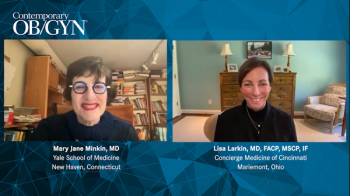
Panelists discuss strategies for simplifying complex information for primary care physicians (PCPs), provide tips on how PCPs can effectively communicate evidence-based treatment options to patients, and outline actionable points and key takeaways to enhance patient care in managing menopause symptoms.
Panelists discuss alternative therapies for women who are not candidates for or choose not to use hormonal therapy, review nonhormonal treatment options recommended by the North American Menopause Society, and explore the growing importance of Level I evidence and consensus opinions in creating a more holistic view of available therapies, both hormonal and nonhormonal.
Panelists discuss key considerations for women taking hormonal therapy, emphasizing the importance of individualized treatment plans and shared decision-making to evaluate the risk-benefit profile of therapy.
Panelists discuss clinical trial data suggesting a small but higher incidence of endometrial hyperplasia or malignancy with fezolinetant, while no cases of endometrial hyperplasia or malignancy were observed with elinzanetant in a long-term safety study.